TrollEye Security

Red Teaming Assessments That Validate Real-World Risk

Most security programs rely on assumptions about how attacks will unfold. Red teaming replaces assumptions with evidence, showing how real attackers move through your environment, where defenses fail, and what actually puts the business at risk.

Our Red Teaming Assessments simulate advanced adversaries across your environment, validating your ability to detect, respond, and contain real-world attack scenarios before they happen.

Continuous Adversary Simulation

Simulate real-world attack paths across your environment, combining technical, human, and physical vectors to replicate how attackers actually operate.

Validated Security Gaps

Move beyond theoretical risk by confirming which weaknesses can be exploited, how far an attacker can go, and what impact they can achieve.

Operational Readiness Insights

Evaluate detection, response, and coordination across teams to identify breakdowns in processes, tooling, and communication under real attack conditions.

Red Teaming That Validates Real-World Risk, Not Just Findings

Our Red Teaming Assessments are designed to move beyond isolated vulnerabilities and show how real attackers would operate in your environment.

Instead of point-in-time testing or theoretical risk, we simulate adversaries across your attack surface, combining technical, human, and physical vectors to expose how breaches actually happen, how far they can go, and how your team responds under pressure.

Simulate Real Attacks Across Your Environment

We emulate real-world adversaries using tactics, techniques, and procedures that mirror how attackers operate today. This includes targeting applications, infrastructure, identities, and users to replicate full attack paths, not isolated events.

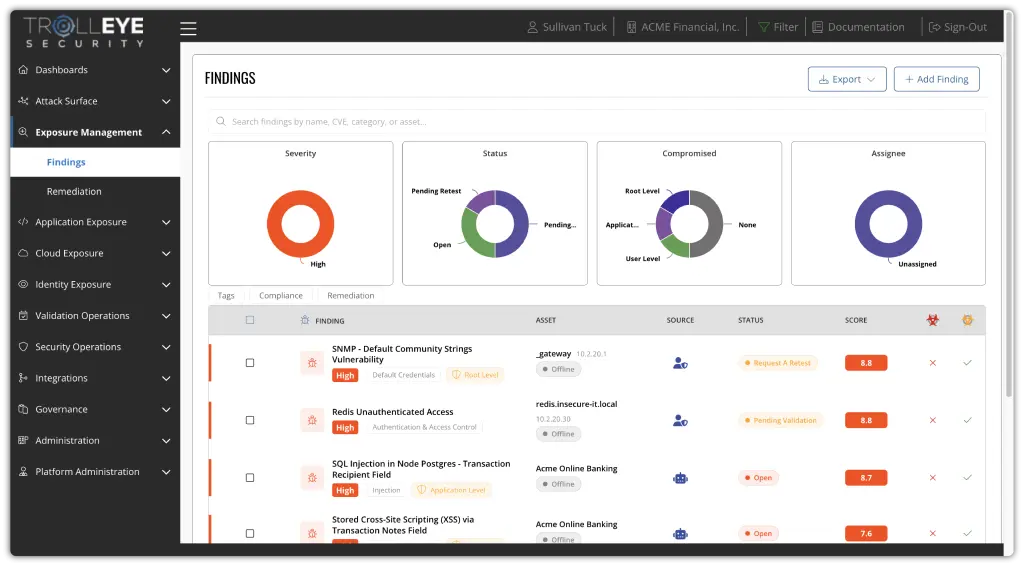
IoT Penetration Testing Process - 1 Image

Understand How Exposures Become Breaches

Red teaming connects the dots between vulnerabilities, misconfigurations, and human factors to show how attackers chain exposures together. This reveals what can actually be exploited and how critical systems can be reached.

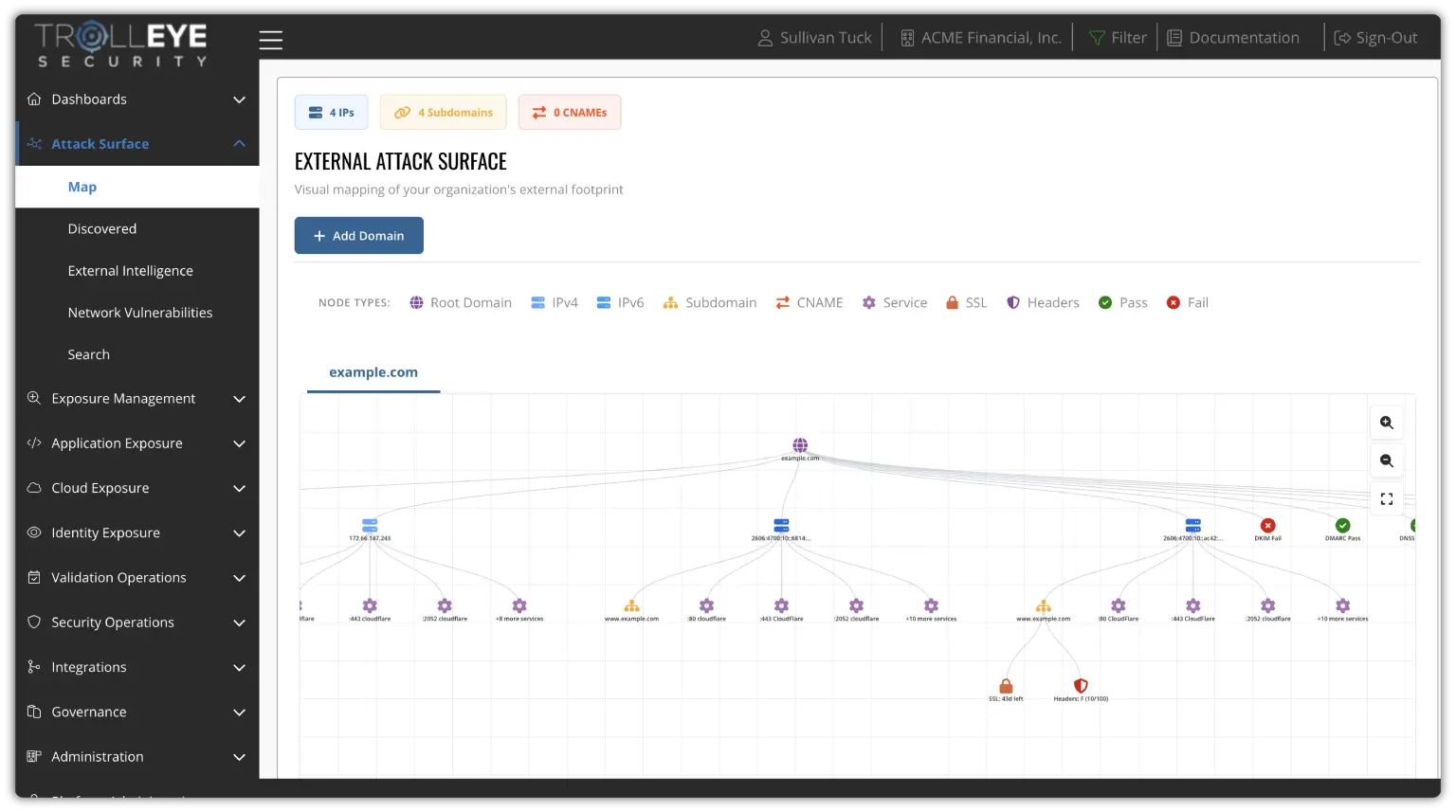
IoT Penetration Testing Process - 2 Image

Evaluate Detection and Response in Real Time

Your security tools and team are tested under real conditions, measuring how effectively threats are detected, investigated, and contained. This highlights gaps in visibility, alerting, and response workflows.

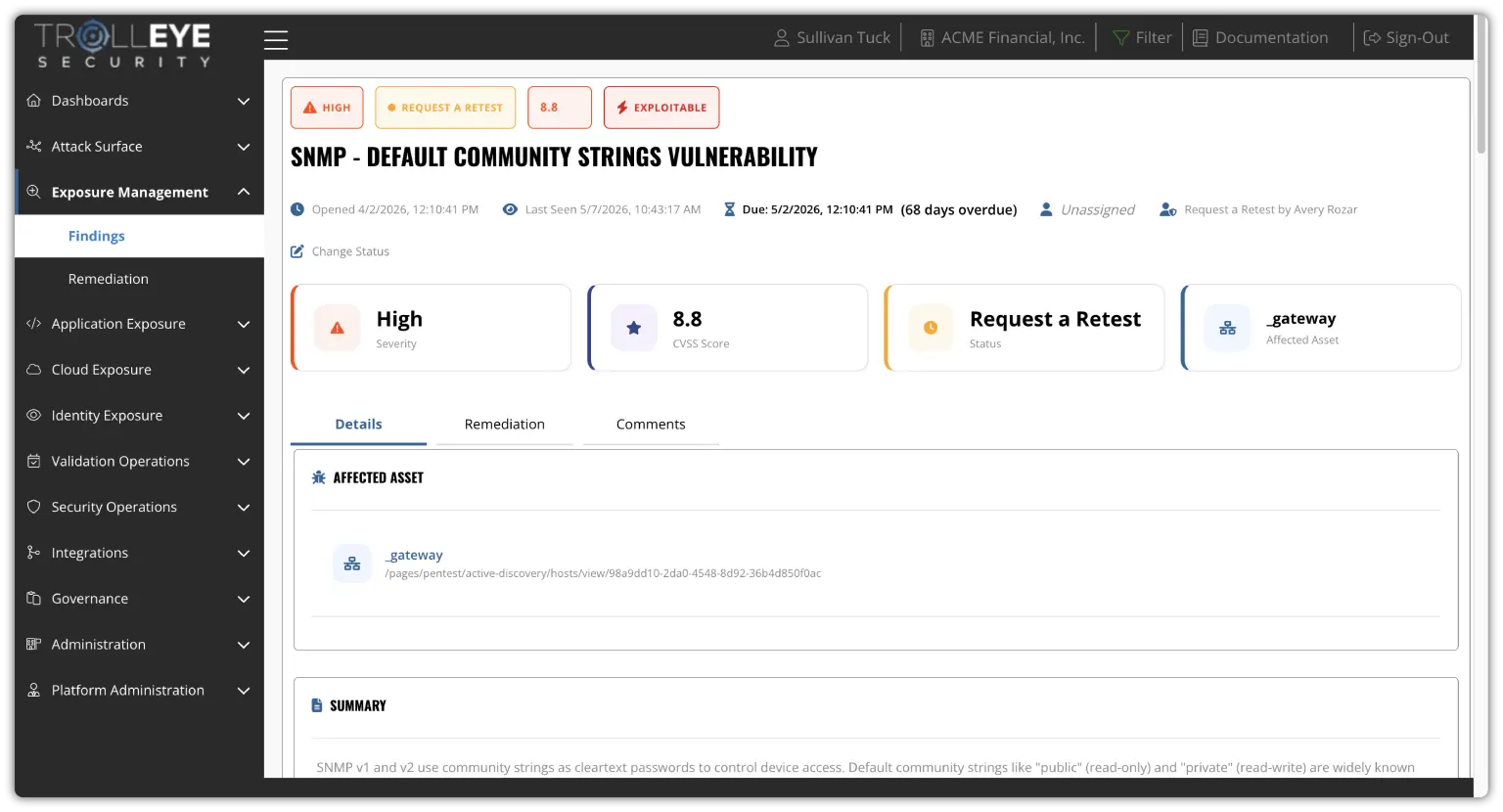
IoT Penetration Testing Process - 4 Image

Turn Findings Into Measurable Improvements

Every scenario is mapped to real business impact and translated into clear remediation actions. This ensures your team can strengthen controls, improve coordination, and reduce risk in a way that is measurable over time.

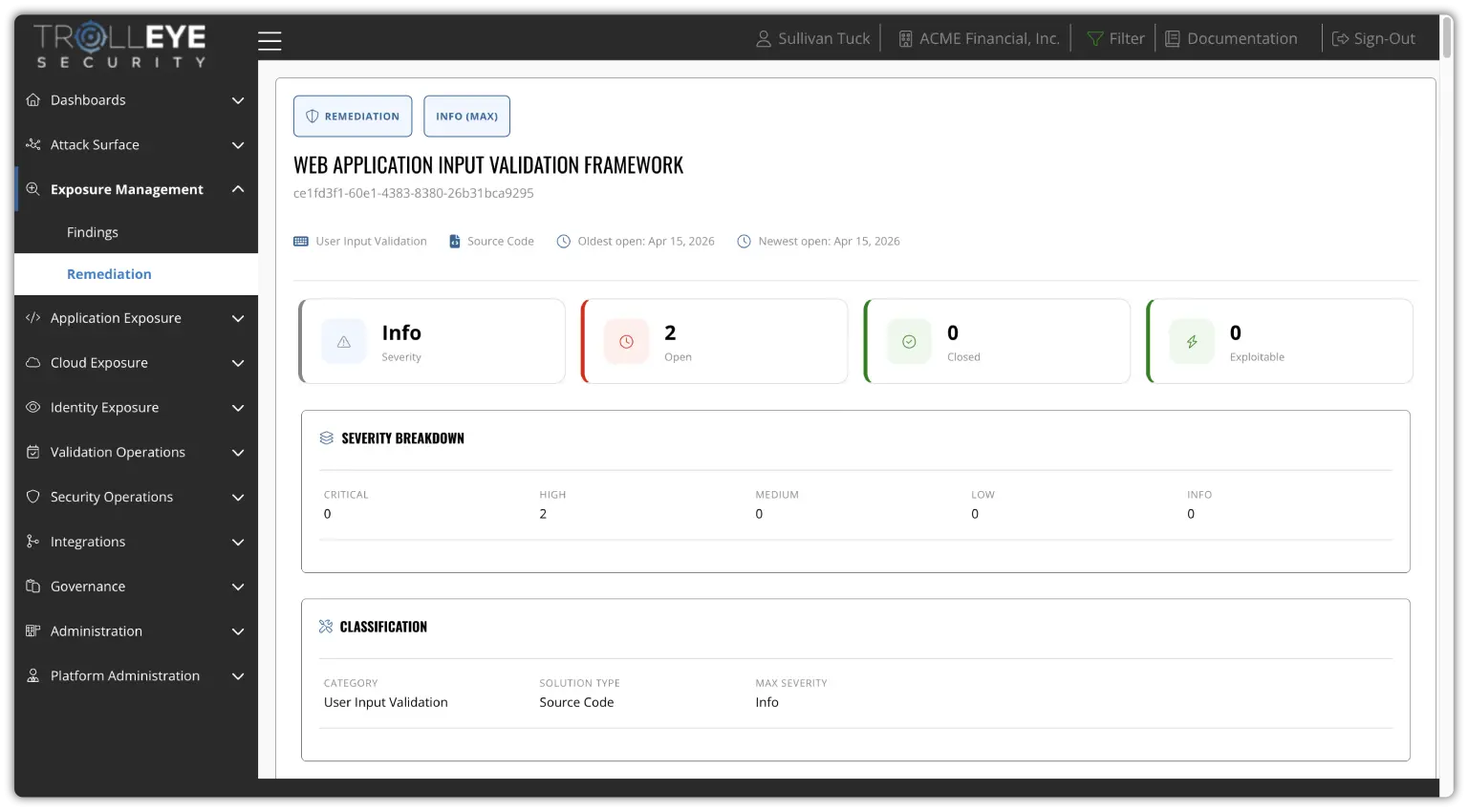
IoT Penetration Testing Process - 5 Image

Why General Bank of Canada Chose Our Red Teaming Assessments to Validate Their Security Posture

Learn why a Schedule-1 Canadian Bank chose to use TrollEye Security for an in-depth Red Teaming Assessment to validate their security posture across technical, physical, and dark web attack paths.

The Red Team exercise conducted by TrollEye Security provided invaluable insights into our cybersecurity posture. The comprehensive approach combining dark web analysis, phishing campaigns, external penetration testing, physical security testing, and internal network assessments gave us a realistic view of our security posture.

Adam Ennamli
Chief Risk Officer at General Bank of Canada

How Our Red Teaming Process Works

Every engagement is built around a specific scenario, a realistic attacker objective designed for your industry and threat profile. Our team conducts each phase with the precision and patience of a sophisticated adversary, not as a scripted test with known boundaries.

Rather than stopping at point of access, we pursue objectives: escalating privileges, moving laterally, exfiltrating data, and assessing your ability to detect and respond at every stage. The result is a clear picture of how a real attack would unfold and what it would take to stop it.

Reconnaissance & Planning

Before testing begins, we build a complete understanding of the organization’s exposure across technical infrastructure, identities, employees, physical locations, and publicly available intelligence. This phase allows us to develop realistic attack paths that mirror how modern adversaries combine multiple attack vectors to gain access.

External Attack Surface Mapping

Identify internet-facing infrastructure and externally accessible systems that could serve as entry points for attackers.

Dark Web Exposure Analysis

Investigate exposed credentials, breach records, leaked access, and identity exposure tied to the organization across dark web and underground sources.

Human Attack Surface Profiling

Gather publicly available employee and executive information used to support phishing, impersonation, and social engineering attack scenarios.

Physical Security Reconnaissance

Assess publicly exposed facility information, office locations, access procedures, and environmental weaknesses that could contribute to physical intrusion attempts.

Open-Source Intelligence Collection

Aggregate intelligence from domains, subdomains, third-party relationships, social platforms, and public records to identify exploitable exposure.

Multi-Vector Attack Path Development

Build realistic attack scenarios that combine technical, physical, human, and identity-based attack vectors into coordinated offensive operations.

Rules of Engagement Alignment

Define testing objectives, operational boundaries, escalation procedures, and engagement scope to ensure safe and controlled execution.

Initial Access & Exploitation

Once viable attack paths are identified, the next step is attempting to gain access through the same methods real adversaries use. This includes exploiting technical vulnerabilities, leveraging exposed credentials, targeting employees through social engineering, and testing physical security weaknesses to determine whether unauthorized access can be achieved across multiple exposure areas.

Network & Application Exploitation

Test external systems, applications, APIs, and cloud infrastructure for exploitable vulnerabilities that could provide unauthorized access.

Phishing & Social Engineering Simulations

Conduct phishing campaigns and social engineering exercises designed to evaluate employee susceptibility and credential compromise risks.

Credential Validation & Identity Testing

Validate exposed usernames, passwords, and leaked accounts identified through dark web analysis to determine whether access remains active.

Physical Intrusion Testing

Simulate physical attack scenarios, including tailgating, badge bypass attempts, device access, and onsite social engineering techniques.

Identity-Based Attack Simulation

Test password spraying, credential stuffing, authentication weaknesses, and insecure access controls where authorized within scope.

Misconfiguration & Access Weakness Testing

Identify exploitable security gaps caused by weak configurations, exposed services, insecure remote access, or improper hardening practices.

Coordinated Multi-Vector Access Testing

Combine technical, human, physical, and identity-based attack methods to replicate realistic attacker behavior.

Lateral Movement & Escalation

After initial access is established, we determine how far access can spread across the environment by testing internal segmentation, privilege controls, identity infrastructure, and operational weaknesses that could allow attackers to move laterally, escalate privileges, and expand control.

Internal Network Pivoting

Assess network segmentation and internal controls by testing how attackers could move between systems after compromise.

Privilege Escalation Validation

Identify opportunities to gain elevated access through misconfigurations, weak permissions, vulnerable systems, or insecure operational practices.

Active Directory & Identity Assessment

Evaluate authentication systems, trust relationships, excessive permissions, and identity infrastructure weaknesses that could enable broader compromise.

Credential Reuse Analysis

Test for password reuse, shared credentials, and poor access management practices that increase the risk of lateral movement.

Internal Application Access Testing

Validate whether compromised users can improperly access sensitive applications, systems, or restricted business functions.

Persistence Technique Simulation

Assess whether attackers could maintain long-term access through persistence mechanisms, unmanaged accounts, or insecure configurations.

Cross-Environment Attack Path Analysis

Evaluate how technical systems, identities, and operational processes could be chained together to deepen compromise.

Objective Completion & Data Exfiltration

With elevated access established, the engagement shifts toward simulating real attacker objectives. This includes testing whether sensitive data, business-critical systems, operational technology, financial assets, or restricted environments can be accessed, disrupted, or extracted while evaluating the organization’s ability to detect and respond to the activity.

Sensitive Data Access Validation

Test access controls protecting financial data, customer records, intellectual property, regulated information, and business-critical systems.

Controlled Data Exfiltration Simulation

Safely simulate data exfiltration scenarios to evaluate monitoring, alerting, and response effectiveness.

Detection & Monitoring Evaluation

Assess SIEM, EDR, logging, and alerting capabilities during active attacker simulation to identify visibility gaps.

Ransomware Attack Path Testing

Simulate ransomware-style attack progression to evaluate operational resilience and business disruption exposure.

Physical Asset Access Testing

Validate whether physical attack vectors could expose sensitive documents, systems, devices, or restricted operational areas.

Identity Compromise Impact Analysis

Measure how compromised credentials and exposed identities could contribute to broader organizational compromise.

Objective-Based Adversary Simulation

Execute realistic attack scenarios aligned to the organization's critical assets, operational risks, and threat landscape.

Debrief & Remediation Guidance

Finally, we focus on breaking down the attack paths that succeeded, identifying the root causes that enabled compromise, and providing actionable remediation guidance that strengthens technical controls, operational processes, employee awareness, identity security, and long-term resilience.

Attack Path Breakdown

Provide a complete analysis of successful attack chains across technical, physical, human, and identity-based attack vectors.

Root Cause Remediation Guidance

Deliver prioritized recommendations focused on eliminating the underlying operational and security weaknesses that enabled compromise.

Executive & Technical Reporting

Provide tailored reporting for leadership, security teams, IT personnel, and operational stakeholders based on business and technical impact.

Detection Gap Analysis

Identify monitoring, logging, alerting, and response deficiencies observed during simulated attacker activity.

Security Control Improvement Recommendations

Recommend enhancements to segmentation, identity management, employee awareness, physical security, and defensive processes.

Exposure Reduction Strategy Development

Help organizations strengthen continuous exposure management practices to reduce recurring attack patterns over time.

Collaborative Remediation Planning

Work directly with internal teams to prioritize remediation efforts and improve long-term organizational resilience.

Resources on Red Teaming

Explore our case studies, articles, and guides to understand how red teaming works, what it finds, and why leading organizations use adversary simulation to stay ahead of real threats.

Why GBC Chose Our Red Teaming Assessments to Validate Their Security Posture

Ready to See How Your Defenses Hold Up Against Real Adversaries?

Don’t wait for a breach to show you where your defenses fall short. Our Red Teaming assessments give you a proactive, adversary-driven view of your security posture, before attackers do.

Contact TrollEye Security today to discuss how our Red Teaming services can help you identify real attack paths, validate your detection capabilities, and build a more resilient security program.

This Content Is Gated