
Validate Human Risk with Social Engineering Assessments
Enabling organizations to reduce human-driven risk and prevent successful social engineering attacks.
Most organizations invest in technical controls but overlook the human element, where attackers often find their easiest path in.
Our social engineering assessments simulate real-world social engineering attacks, giving you clear visibility into how employees, processes, and physical controls hold up under pressure.
Continuous Simulation
Continuously test your organization through phishing, vishing, and physical social engineering scenarios that reflect real attacker behavior.
Real-World Validation
Validate how employees respond to targeted attacks, identifying where awareness, processes, or controls break down in practice.
Actionable Improvement
Turn results into measurable improvements by delivering clear insights, targeted training opportunities, and repeat testing to reduce human risk over time.
Built Into Continuous Exposure Validation
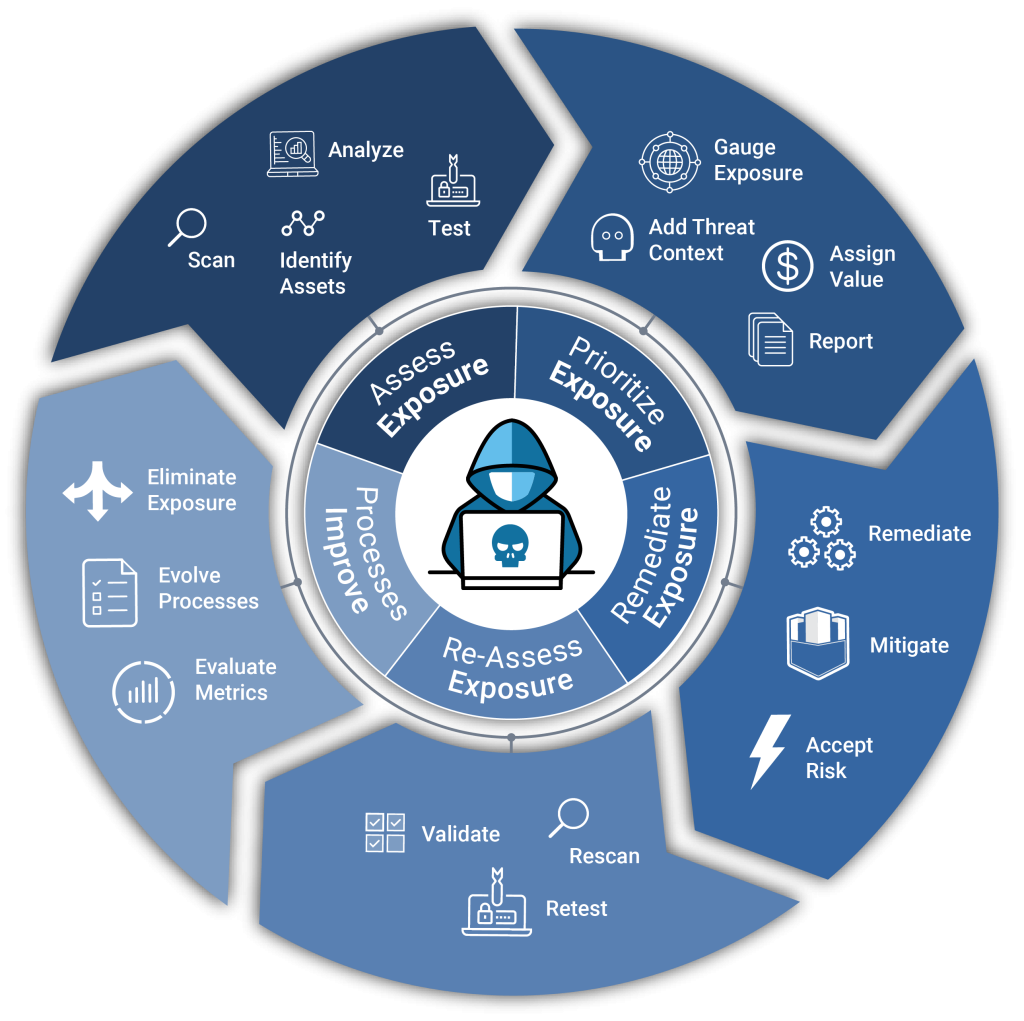
Social engineering is one of the most consistent paths attackers use to gain access, yet it’s rarely tested in a way that reflects real-world behavior. Our approach embeds social engineering into a continuous exposure management model, simulating the tactics attackers actually use to bypass controls and exploit human trust.
Through phishing, vishing, and physical testing, we continuously evaluate how employees, processes, and controls respond under pressure. This ensures human risk is not just measured, but validated and improved over time.
Test How Your Organization Responds to Real-World Tactics
Simulate phishing, vishing, and physical social engineering scenarios designed to mirror how attackers actually target your organization. Campaigns are tailored to roles, departments, and real-world attack patterns to ensure testing reflects real risk, not generic exercises.
Understand What Can Actually be Exploited, not Just What’s Measured
Move beyond awareness metrics by validating which employees, processes, and controls can actually be exploited. Each engagement confirms real-world impact, identifying where attackers would successfully gain access or escalate privileges.
Reduce Successful Attacks Through Continuous Testing
Track performance across campaigns to identify trends, measure progress, and reinforce stronger behaviors. Continuous testing ensures improvements are sustained, not temporary.
Turn Human Risk Into Actionable, Trackable Remediation
Route findings into your exposure management workflow, assigning ownership and tracking remediation alongside technical risks. This ensures human vulnerabilities are addressed with the same urgency and structure as any other exposure.
A Social Engineering Process Focused on Mobilization
Our Social Engineering Assessments are designed to go beyond awareness testing by validating how real attackers exploit human behavior. Instead of isolated campaigns, we deliver continuous, scenario-based testing that identifies where employees, processes, and controls break down under real-world conditions.
By combining targeted simulations, validated findings, and structured remediation, we help organizations not only identify human risk but actively reduce it over time.
Target Your Organization with Scenarios That Reflect How Attackers Operate
We design and execute phishing, vishing, and physical social engineering campaigns tailored to your users, roles, and business context. Each scenario is built to mirror real attacker tactics, ensuring testing reflects real risk, not generic exercises.
Identify What Can Actually be Exploited Across People, Processes, and Controls
Results are prioritized based on risk and routed to the appropriate teams, enabling targeted training, process improvements, and control enhancements. This ensures human vulnerabilities are addressed with accountability.
Turn Findings Into Clear, Actionable Steps with Defined Ownership
Organizations receive clear remediation guidance tied to identified social engineering exposures, helping teams strengthen security awareness, improve internal processes, and implement stronger controls.
Continuously Validate Improvements and Strengthen User Behavior Over Time
We re-engage users with follow-up simulations to confirm that remediation efforts are effective. This reinforces awareness and ensures improvements are sustained, not temporary.
Build a Stronger Human Layer Through Continuous Testing
Over time, repeated testing and validation reduce successful social engineering attacks, improve response rates, and strengthen how your organization detects and handles human-targeted threats.
Take your social engineering defense on the offense. Get started with your assessment from TrollEye Security today
Types of Social Engineering Assessments
Social engineering assessments should do more than measure click rates or awareness levels. Our assessments simulate the tactics attackers actually use to exploit human behavior, helping organizations identify where employees, processes, and physical controls break down under real-world conditions.
Below are the types of social engineering assessments we use to continuously validate and reduce human-driven exposure across your organization.
- Phishing
-
Phishing (Email-Based)
One of the most common and dangerous forms of social engineering, phishing involves sending an email that appears to be from a legitimate source in order to trick the recipient into giving up sensitive information or clicking on a malicious link. This type of email-based attack is often used to steal login credentials or financial information.
- Smishing
-

Smishing (Phone-Based)
Similar to phishing, smishing uses text messages instead of emails to try and trick the recipient. This form of social engineering is on the rise as more people use their smartphones for work tasks.
- Vishing
-
Vishing (Phone-Based)
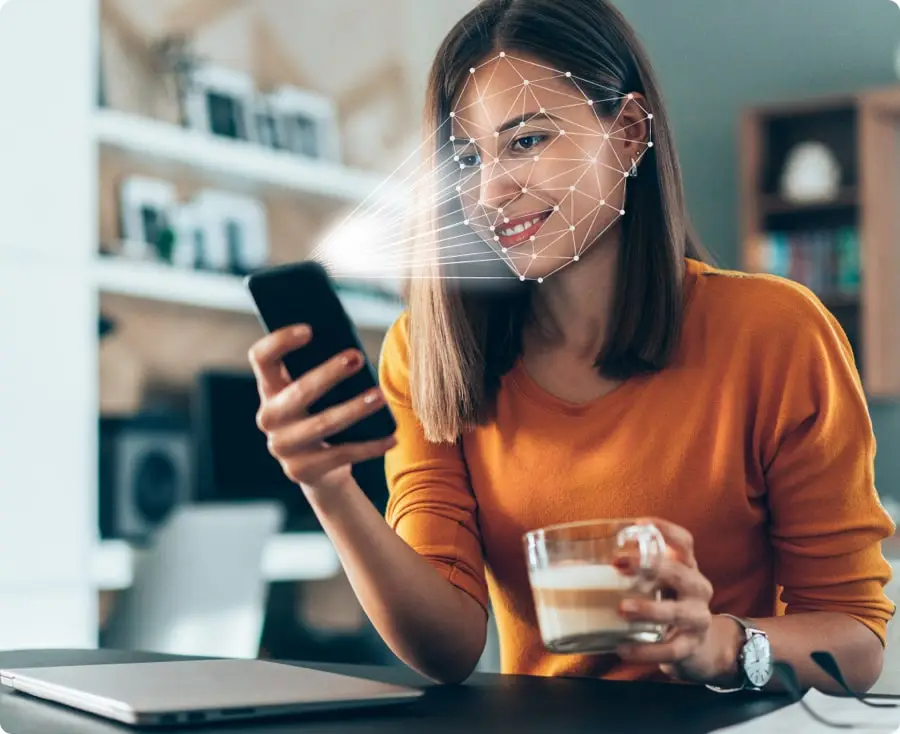
With vishing, attackers place phone calls using VoIP (Voice over Internet Protocol) in order to spoof caller ID information and make it appear as if they are calling from legitimate sources, such as a bank or government agency. The attacker will then try to get the victim to give up sensitive information or transfer money.
- USB-Drive Baiting
-
USB-Drive Baiting
In this type of social engineering attack, hackers leave USB drives or other portable storage devices in public places, such as parking lots or coffee shops. When people find the device and plug it into their computer, malicious software is installed that can give the attacker access to sensitive data or allow them to remotely control the victim’s computer.
- Physical Attacks
-
Physical Attacks (On-Site)
In some cases, attackers will use physical means to try and gain access to buildings or devices in order to steal information or plant malware. This can include tailgating (following someone into a restricted area), or pretending to be a service tech, vendor, or other legitimate visitor. These forms of on-site social engineering tactics are tested under our physical penetration testing services.

Phishing (Email-Based)
One of the most common and dangerous forms of social engineering, phishing involves sending an email that appears to be from a legitimate source in order to trick the recipient into giving up sensitive information or clicking on a malicious link. This type of email-based attack is often used to steal login credentials or financial information.
Smishing (Phone-Based)
Similar to phishing, smishing uses text messages instead of emails to try and trick the recipient. This form of social engineering is on the rise as more people use their smartphones for work tasks.
Vishing (Phone-Based)
With vishing, attackers place phone calls using VoIP (Voice over Internet Protocol) in order to spoof caller ID information and make it appear as if they are calling from legitimate sources, such as a bank or government agency. The attacker will then try to get the victim to give up sensitive information or transfer money.
USB-Drive Baiting
In this type of social engineering attack, hackers leave USB drives or other portable storage devices in public places, such as parking lots or coffee shops. When people find the device and plug it into their computer, malicious software is installed that can give the attacker access to sensitive data or allow them to remotely control the victim’s computer.
Physical Attacks (On-Site)
In some cases, attackers will use physical means to try and gain access to buildings or devices in order to steal information or plant malware. This can include tailgating (following someone into a restricted area), or pretending to be a service tech, vendor, or other legitimate visitor. These forms of on-site social engineering tactics are tested under our physical penetration testing services.
A social engineering assessment is designed to help you identify the most vulnerable areas of your organization so that you have the informational resources you need to take steps to fix them before the bad guys exploit them. After your assessment is complete, TrollEye Security will review with you our report on what your employees are already doing well and where improvement, compliance awareness, and training is needed.
Reduce Human Risk Continuously with Social Engineering Assessments
When you partner with TrollEye Security, social engineering assessments become part of a continuous exposure management strategy focused on reducing human-driven risk over time. We help organizations strengthen security awareness, improve internal processes, and continuously reduce exposure through ongoing validation and remediation support.
As part of our broader continuous exposure management solution, social engineering assessments provide deeper visibility into human risk across your organization’s attack surface.